
A Complete Guide to Weight Loss Surgery
Bariatric Surgery
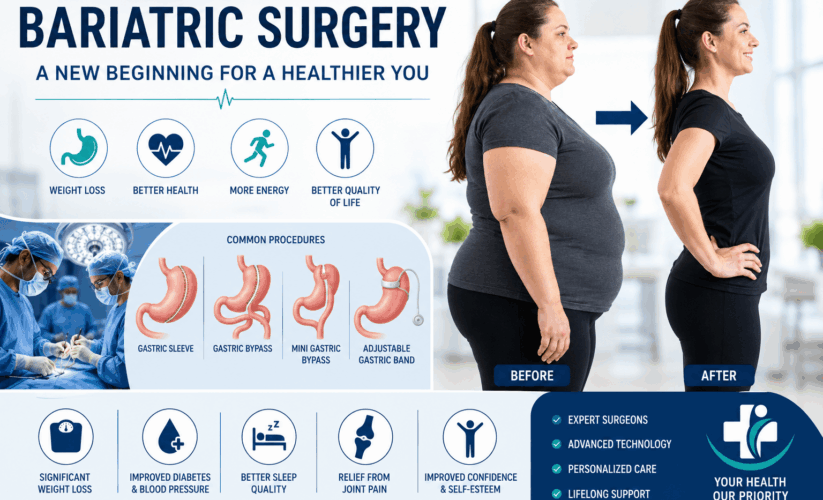
Bariatric surgery is a highly effective treatment for individuals struggling with severe obesity and obesity-related health conditions. When lifestyle changes such as diet, exercise, and medication do not produce lasting results, bariatric surgery can help patients achieve significant and sustainable weight loss while improving overall health and quality of life.
Today, bariatric surgery is performed using advanced minimally invasive techniques, allowing for faster recovery, smaller incisions, and reduced post-operative discomfort. Many international patients also choose medical tourism destinations that offer experienced bariatric surgeons, modern hospitals, and affordable treatment packages.
What is Bariatric Surgery?
Bariatric surgery refers to a group of surgical procedures designed to help patients lose weight by reducing the size of the stomach, limiting food intake, or altering the digestive system to decrease calorie absorption.
In addition to promoting weight loss, bariatric surgery can improve or even resolve several obesity-related medical conditions, making it a life-changing option for eligible patients.
Who Can Benefit from Bariatric Surgery?
Bariatric surgery may be recommended for individuals who:
- Have a Body Mass Index (BMI) of 40 or higher.
- Have a BMI of 35 or higher with obesity-related conditions.
- Have been unable to achieve long-term weight loss through diet and exercise.
- Are committed to making permanent lifestyle and dietary changes.
- Are medically fit to undergo surgery after a comprehensive evaluation.
Each patient undergoes a thorough medical assessment before surgery to determine the most appropriate treatment approach.
Types of Bariatric Surgery
Several bariatric procedures are available depending on the patient’s health condition, weight loss goals, and medical history.
Gastric Sleeve Surgery (Sleeve Gastrectomy)
This procedure removes approximately 75–80% of the stomach, leaving a smaller sleeve-shaped stomach that limits food intake and reduces hunger hormones.
Benefits
- Significant weight loss
- Shorter operating time
- No intestinal bypass
- Reduced appetite
- Faster recovery
Gastric Bypass Surgery (Roux-en-Y Gastric Bypass)
This procedure creates a small stomach pouch and reroutes part of the small intestine, reducing calorie absorption while limiting food intake.
Benefits
- Excellent long-term weight loss
- Improvement in Type 2 Diabetes
- Reduced calorie absorption
- Long-term success rates
Mini Gastric Bypass
A simplified version of the traditional gastric bypass, this procedure involves one intestinal connection, resulting in shorter surgical time and effective weight loss.
Benefits
- Effective weight reduction
- Shorter operation
- Reduced recovery time
- Improved metabolic health
Adjustable Gastric Band
A silicone band is placed around the upper stomach to create a smaller stomach pouch and limit food intake.
Benefits
- Adjustable
- Reversible
- Minimally invasive
- Short hospital stay
Although less commonly performed today, it remains an option for selected patients.
Duodenal Switch Surgery
This advanced procedure combines sleeve gastrectomy with intestinal bypass, offering substantial weight loss for patients with severe obesity.
Benefits
- Highest potential weight loss
- Excellent diabetes control
- Long-term effectiveness
Conditions Improved by Bariatric Surgery
Weight loss surgery can significantly improve many obesity-related health conditions, including:
- Type 2 Diabetes
- High Blood Pressure
- Sleep Apnea
- Heart Disease
- High Cholesterol
- Fatty Liver Disease
- Joint Pain
- Osteoarthritis
- Gastroesophageal Reflux Disease (GERD)
- Infertility associated with obesity
Many patients experience improved mobility, increased energy, and enhanced overall well-being after successful treatment.
Benefits of Bariatric Surgery
Patients often experience numerous long-term health benefits, including:
- Significant and sustained weight loss
- Better control of diabetes
- Reduced cardiovascular risk
- Improved mobility
- Better sleep quality
- Increased life expectancy
- Enhanced mental well-being
- Improved self-confidence
- Better quality of life
- Greater ability to participate in daily activities
Preparing for Surgery
Before bariatric surgery, patients typically undergo:
- Comprehensive medical evaluation
- Blood tests
- Nutritional assessment
- Psychological evaluation
- Cardiac and pulmonary assessment (if required)
- Dietitian consultation
- Lifestyle counseling
Patients are also advised to stop smoking, maintain a healthy diet, and follow their surgeon’s pre-operative instructions.
Recovery After Bariatric Surgery
Recovery varies depending on the procedure performed and individual health.
Most patients can expect:
- Hospital stay of 2–5 days
- Walking within 24 hours
- Liquid diet followed by gradual dietary progression
- Return to light activities within 2–4 weeks
- Regular follow-up appointments
- Long-term nutritional monitoring
Adhering to dietary recommendations and exercise plans is essential for achieving lasting results.
Risks and Complications
Like any surgical procedure, bariatric surgery carries potential risks, although serious complications are uncommon when performed by experienced surgeons.
Possible risks include:
- Infection
- Bleeding
- Blood clots
- Leakage from surgical connections
- Nutritional deficiencies
- Vitamin and mineral deficiencies
- Acid reflux
- Gallstones
Choosing an experienced bariatric team and following post-operative care instructions helps minimize these risks.
Why Choose Medical Tourism for Bariatric Surgery?
Many international patients travel abroad for bariatric surgery because of:
- Affordable treatment packages
- Experienced bariatric surgeons
- Internationally accredited hospitals
- Advanced laparoscopic techniques
- Short waiting times
- Comprehensive patient support
- Multilingual medical coordinators
- Accommodation and airport transfer assistance
Popular destinations include Turkey, India, the UAE, Thailand, and South Korea, where patients receive high-quality care at competitive prices.
Frequently Asked Questions
How much weight can I lose after bariatric surgery?
Most patients lose between 50% and 80% of their excess body weight, depending on the procedure and adherence to lifestyle recommendations.
Is bariatric surgery permanent?
Most bariatric procedures provide long-term weight loss, but maintaining results requires lifelong healthy eating habits and regular physical activity.
How long is the recovery period?
Most patients return to normal daily activities within two to four weeks, although complete recovery varies by procedure and individual health.
Will I need vitamin supplements?
Yes. Many patients require lifelong vitamin and mineral supplementation to prevent nutritional deficiencies.
Conclusion
Bariatric surgery is one of the most effective long-term solutions for severe obesity and related health conditions. With modern minimally invasive techniques, experienced surgeons, and comprehensive post-operative care, patients can achieve significant weight loss, improved health, and a better quality of life. Whether you choose treatment locally or through medical tourism, consulting a qualified bariatric specialist and committing to lifelong lifestyle changes are the keys to successful and lasting outcomes.