Choosing the Right Oncology Treatment for Your Cancer Journey
A cancer diagnosis marks the start of a winding path where clinical choices shape long-term health. Steering through this terrain requires a clear grasp of medical options to reach the best possible results. Deciding on the path forward, Choosing the Right Oncology Treatment for Your Cancer Journey serves as the base for personal oncology care plans in 2026.
This effort involves matching gene tests, tumor staging, and personal wishes to target a tumor’s specific traits. Medical advances now permit highly customized care rather than a single standard model for everyone.
Patients who take an active part in Choosing the Right Oncology Treatment for Your Cancer Journey experience better follow-through and a finer quality of life. This guide details the exact medical markers, check-up steps, and decision setups needed to build a strong oncology plan.
Choosing the Right Oncology Treatment for Your Cancer Journey: Clinical Modalities
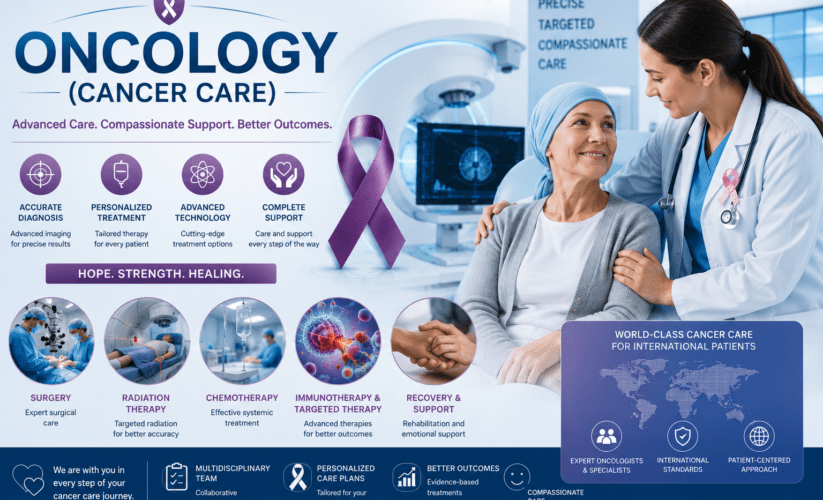
Usual cancer care relies on a few core methods that medical teams deploy based on tumor type and spread. Surgery remains the main step for local solid tumors, aiming to cut out the growth completely with clean edges. Radiation uses intense energy beams to damage cancer cell DNA, frequently working as adjuvant therapy to stop the disease from returning.
Full-body therapies travel through the bloodstream to hunt down cancer cells that have spread. Chemotherapy attacks fast-growing cells, while immunotherapy assists the body’s natural defenses to spot and destroy threats.
Targeted options block specific chemical pathways that fuel tumor growth, sparing healthy tissue from harm. Hormone therapy acts as another vital systemic option for hormone-sensitive cancers, like specific breast or prostate conditions.
Clinical trials offer another real path, giving early access to new study drugs before they win standard approval. Doctors assess these varied options closely to tailor each patient’s schedule.
Key Factors in Choosing the Right Oncology Treatment for Your Cancer Journey
Oncologists look at precise diagnosis markers to find the most helpful path. Tumor staging is the main measure, mapping the physical spread from stage I to stage IV. Looking at cell shapes under a microscope, known as histology, sharpens the diagnosis further.
The patient’s physical fitness plays an equally big part in this pick. Activity scores, like the ECOG scale, track daily living limits and the strength to handle harsh therapies. Existing health issues like heart disease or kidney problems rule out certain drugs to avoid severe harm.
Inherited genes also affect how a person breaks down drugs and how well those drugs work. Pharmacogenomic testing shows how a patient’s liver processes chemo drugs. This information helps doctors fine-tune doses, cutting down side effects while keeping the therapy working well.
| Medical Driver | What It Means | How It Guides the Choice |
|---|---|---|
| Tumor Stage | Physical spread of cancer from stage I to IV | Decides if the target is curing, adjuvant, or comfort care |
| Activity Score | ECOG scale tracking daily physical abilities | Shows if the body can handle harsh treatments |
| Biomarker Profile | Unique gene markers found inside the tumor | Points to people who can use target-based drugs |
Genomic Testing and Choosing the Right Oncology Treatment for Your Cancer Journey
Modern care uses deep gene sequencing to find targetable mutations inside tumor DNA. This gene profiling offers a fresh angle for Choosing the Right Oncology Treatment for Your Cancer Journey, steering doctors away from treating cancer purely by where it first started in the body.
For example, people with lung cancer who carry EGFR mutations do far better on targeted tyrosine kinase inhibitors. Marker tests also find people fit for immunotherapy by measuring PD-L1 levels or tumor mutational burden (TMB). High PD-L1 levels often link to a strong response to immune-boosting drugs.
Liquid biopsies offer a gentle way to track tumor genes through standard blood draws. These tests find circulating tumor DNA (ctDNA) to spot drug-resistant mutations in real time. This tool lets doctors adjust care plans fast as the cancer shifts.
- EGFR and ALK Mutations: Point to using targeted tyrosine kinase inhibitors for lung cancer.
- HER2 Overexpression: Guides antibody therapies for breast and stomach cancers.
- MSI-High Status: Shows a high response rate to immune checkpoint inhibitors.
Collaborating with Specialists When Choosing the Right Oncology Treatment for Your Cancer Journey
Tumor boards gather surgeons, medical oncologists, radiation oncologists, and pathologists in one room. This team setup ensures that multiple minds review your case to build the best possible plan. Patients gain from a pool of medical wisdom instead of just a single opinion.
Shared decisions help you when Choosing the Right Oncology Treatment for Your Cancer Journey, letting you speak up about your goals and values. Oncologists share survival data and side effects to help you weigh every option. This teamwork creates plans that fit medical rules and your daily life.
Getting a second opinion at a major cancer center brings peace of mind and double-checks the original diagnosis. Specialized pathologists sometimes reclassify tumor types, changing the suggested course. This step ensures no medical option is missed.
- Gather Records: Collect pathology reports, scan discs, and past lab results.
- Keep a Symptom Log: Write down daily physical changes and pain levels.
- Bring a Support Person: Have a friend or relative there to write down medical details during talks.
Support Systems and Choosing the Right Oncology Treatment for Your Cancer Journey
Getting through full-body therapy requires strong backup for your body, mind, and wallet. Social workers help you deal with insurance approvals and find copay aid. Money stress is a major barrier to keeping up with your schedule, which makes early financial advice vital.
While Choosing the Right Oncology Treatment for Your Cancer Journey, having a team to guide you through these financial and mental hurdles makes a world of difference. Proper food advice from cancer dietitians also helps you keep up your weight and muscle during treatment.
Eating well eases issues like nausea, taste changes, and mouth sores. Staying strong physically links directly to your ability to finish your therapy schedule on time.
Palliative care specialists focus purely on symptom control and ease of life at any point of the illness. This extra layer of care runs alongside standard treatments to handle pain, worry, and sleep issues. Bringing in palliative care early in the process helps overall survival and patient satisfaction.
Concluding Thoughts on Choosing the Right Oncology Treatment for Your Cancer Journey
Making medical choices requires a clear plan that balances advanced tests with personal needs. Knowing your tumor stage, using gene tests, and working with a medical team form the pillars of solid care.
Ultimately, Choosing the Right Oncology Treatment for Your Cancer Journey remains a fluid path that shifts as your body responds. By focusing on proven steps and whole-body support, you can walk through your care with confidence and clarity.